Keep reading
More from the blog
 March 19, 2026How to Find Your Perfect Wedding Photographer in the Twin CitiesRead more
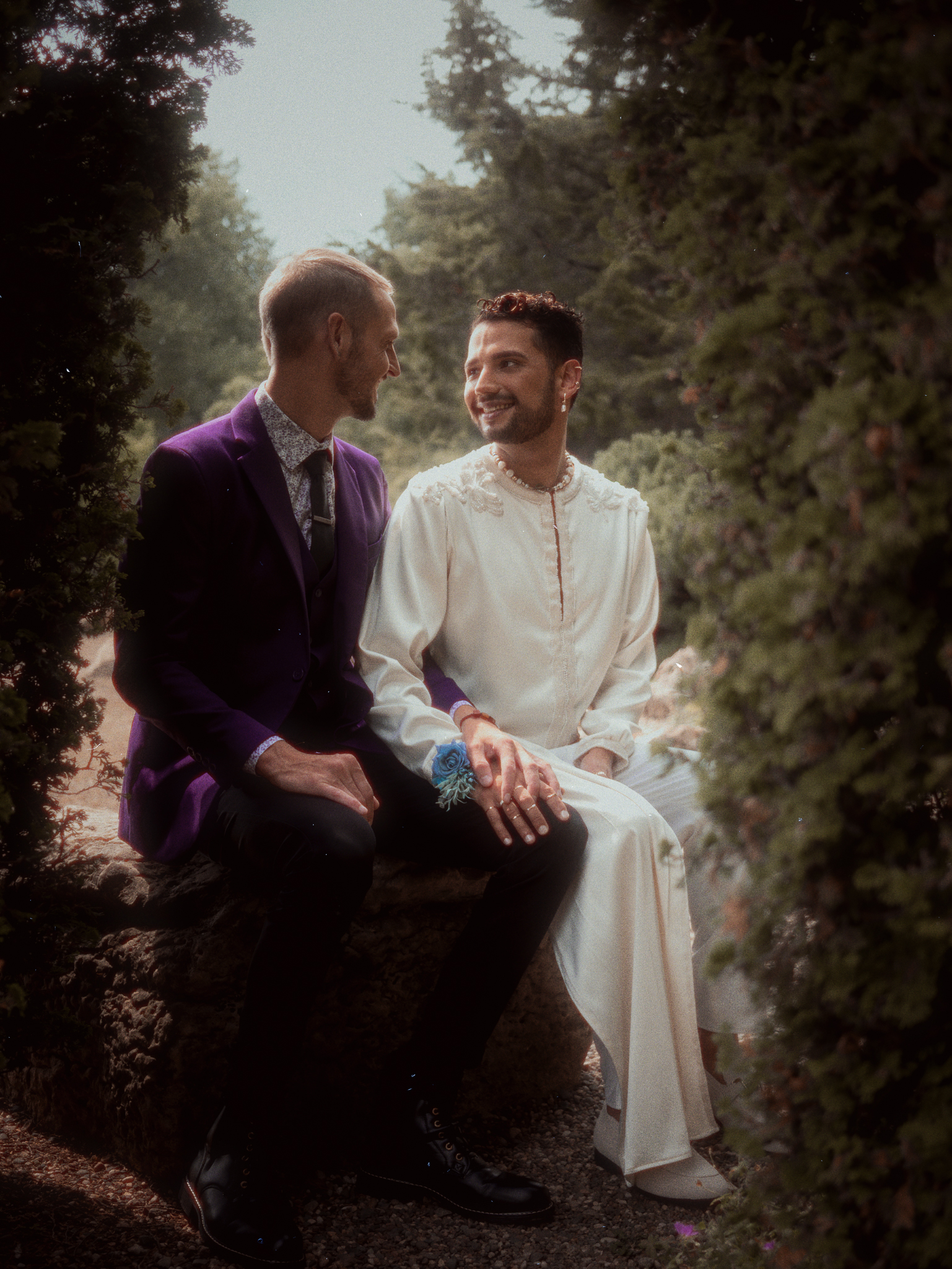 October 21, 2025Choosing an Aesthetic for your Wedding PhotographyRead more


Want to shoot weddings in the Twin Cities? The hybrid gear I'd actually buy, what to wear on shoot day, and how to shadow a real Minneapolis gig.
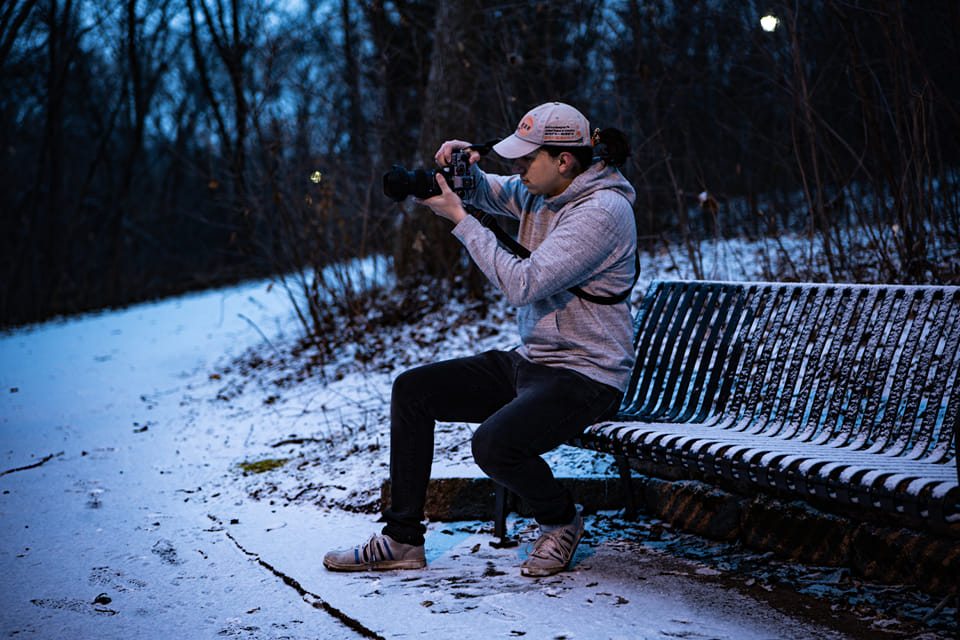
I know exactly where you’re standing.
You’re staring at your camera wondering how to actually turn your passion into a paycheck, all while scrolling through endless YouTube videos from creators telling you that you can make thousands a week with one simple trick!
Spoiler alert: It’s never that easy.
If you want to build a sustainable creative business in Minnesota with consistent high-ticket bookings and a flood of word-of-mouth referrals, there is one clear path: wedding photography and videography.
Here's the good news about your timing. Couples book their photographer 12 to 18 months out, which means 2027 is getting locked in right now. If you're starting today, you're not late. You're early.
So let's get you ready.
If you already have your gear, skip ahead. For everyone else, here's what I'd actually buy.
One thing to remember while you're starting out: Hybrid is King.
You need to be able to offer both photo and video. Once you've got enough experience under your belt you can niche down to one or the other, but right now? Why cut your booking odds in half.
Two brands worth your money: Lumix and Sony. I started my journey on Lumix, and for a decade it was the only thing I trusted on a wedding day. I've since moved over to Sony, but I'm not going to sit here and tell you one is right and one is wrong. They're both great. It comes down to your budget and how you like to work.
Lumix S5II - If you're on a budget, this is the one. 24.2MP is plenty sharp for anything a couple will ever hang on a wall, and it shoots 4K 60p (with a crop, but nobody is noticing). The real win here is Phase Detect autofocus. Older Lumix bodies used to hunt for focus at the worst possible moment, and there is no worse moment than the first kiss. That problem is gone. Prices bounce around with sales, and the used market is usually a few hundred cheaper if you're patient.
Lumix S1II - Same 24MP ballpark, but uncropped 4K 60p and much better internal cooling, so it won't tap out halfway through a long ceremony. You also get more dynamic range and better external recording, which is really just a fancy way of saying you have more room to fix your own mistakes. Underexposed shot at a candlelit reception? You can probably save it.
Sony A7V - The safe bet for hybrid freelancers. 33MP, uncropped 4K 60p (4K 120p if you can live with a crop), and the biggest lens ecosystem on the planet. If you already own Sony glass, don't overthink it. Just get this.
If you don't care about motion and just want megapixels and dynamic range:
Forget carrying six primes around all day. Sigma has two lenses that cover almost everything, and they come in both Sony E-Mount and Lumix L-Mount.
Reading about gear is one thing. Standing in the middle of a 200 person reception when the timeline just fell apart is another. You can't learn that from a YouTube video.
Want to see how Faux Creative handles a real wedding day? We're always looking to bring more people into the local creative community. If you're serious about this and want to shadow one of our upcoming Minneapolis gigs, reach out through our contact page. Let's get you on-site.
Your portfolio is your resume. Your presence is your heartbeat.
One more thing that helped me a lot. Go read how couples actually shop for a photographer. I wrote a whole guide on how to find the perfect wedding photographer in the Twin Cities, and it's written for them, not for you. Which is exactly why you should read it. That's the checklist you're about to be graded on.
Your goal is to be a ninja.
Bring more gear than you need. Technology fails. Cards corrupt. Cameras overheat in that Minnesota July humidity.
Don't be the Google Drive photographer. Sending someone a raw folder link after they just spent thousands of dollars on their day is a vibe killer.
Use something like Honeybook or Pixieset. Clients get a real gallery they can actually enjoy, share with family, and order prints from directly. Professionalism doesn't end when the shutter clicks. It ends when the gallery lands.
And before you go build a portfolio, figure out your look. We broke down the five main editing styles over in choosing an aesthetic for your wedding photography. Pick a lane early, because consistency is what gets you booked.
Right where you are.
Nobody's first wedding is their best wedding. Mine definitely wasn't. The photographers still standing five years in aren't the ones who bought the most expensive camera body. They're the ones who showed up prepared, answered their emails, and delivered when they said they would.
Buy what you can afford. Second shoot until the chaos stops feeling like chaos. Build your reputation one couple at a time.
2027 is already getting booked. Time to get in.
Want to shadow a shoot or talk mentorship? Let's chat!